Dear Advent Family,
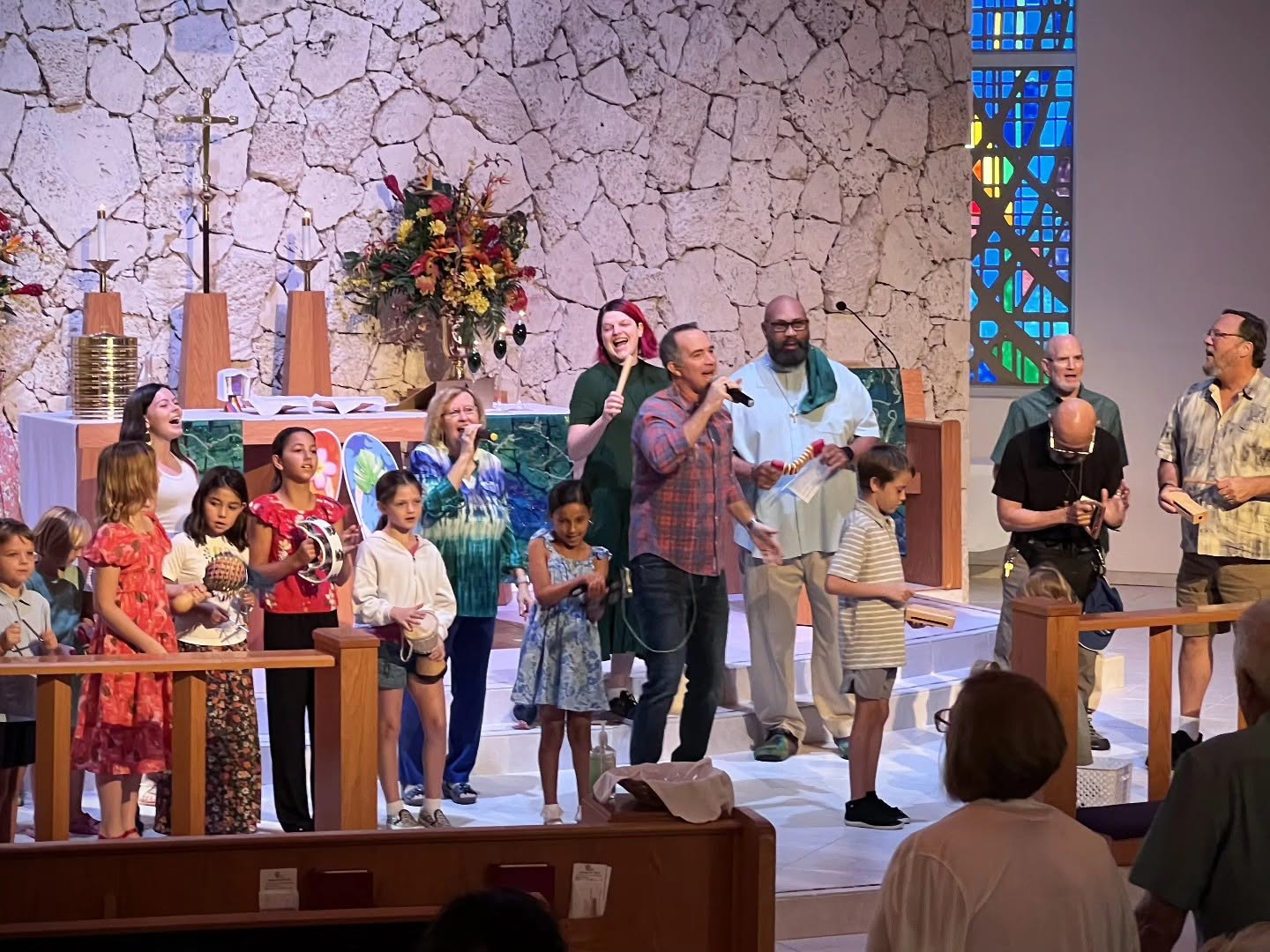
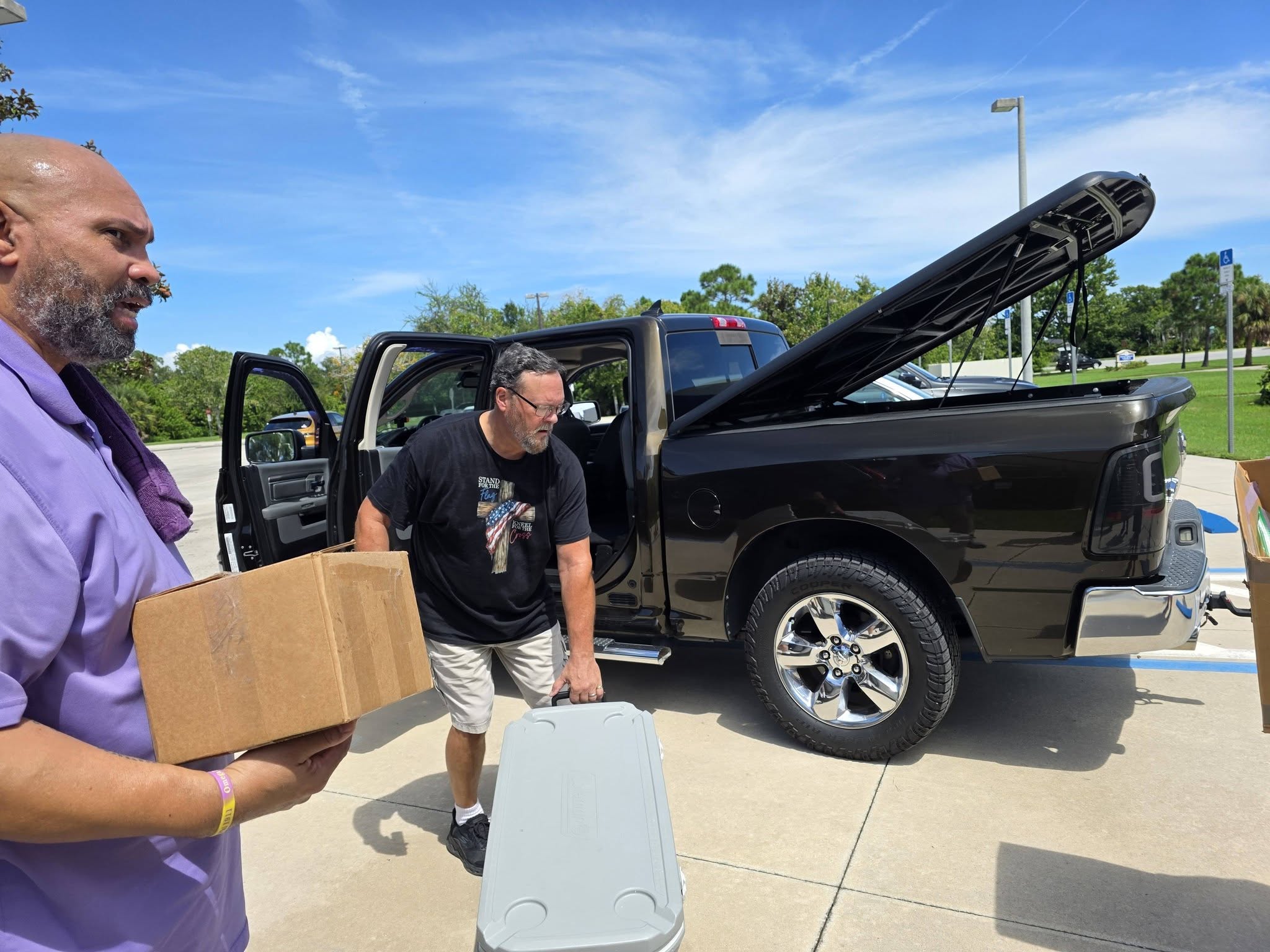
As we step into October, I find myself thinking about how grace continues to shape us—not simply as individuals, but as a congregation. September gave us a beautiful picture of what that can look like. On God’s Work. Our Hands. Sunday, Advent moved from worship into service, preparing and delivering 78 meals to the Cocoa Veterans Village and sharing $360 in quarters with neighbors at six local laundromats. Those acts were simple, but they reminded us of something important: grace is not meant to remain inside the sanctuary. Grace moves. Grace notices. Grace serves. Grace meets people where they are.
October now gives us several different opportunities to continue learning what it means to be Covered, Called, Grounded, and Sent. These words cannot simply be something we print on banners or repeat because they sound good. They are meant to shape the way we live together and the way we encounter the world around us. October, in particular, invites us to consider what happens when the grace we proclaim becomes visible in the way we care for creation, welcome our neighbors, use what God has entrusted to us, notice those who are struggling, and continually allow the Gospel to reform us.
On October 10, Advent will celebrate our St. Francis Day Pet Blessing, giving thanks for the animals that bring companionship, joy, comfort, and every now and then, a little holy chaos into our lives. We will also welcome the Florida Wildlife Hospital, which will be with us on October 10 and 11 with some of the animals in their care. This is more than an opportunity to bring our beloved pets to church. It reminds us that stewardship encompasses much more than money. The earth, its creatures, and the resources we enjoy are gifts entrusted to our care. Creation does not ultimately belong to us; it belongs to God. We are caretakers. Grace teaches us not only to love our neighbor but also to live responsibly and gently with all that God has made.
Then, on Saturday, October 17, from 11:00 a.m.–2:00 p.m., Advent will celebrate our first Oktoberfest since 2019. There will be brats and German food, music, children’s activities, bounce houses, a magician, balloon artists, face painting, Kona Ice, laughter, fellowship, and plenty of opportunities simply to enjoy being together. But I hope we understand that Oktoberfest is about more than putting on a successful event. It is an opportunity to practice Christian hospitality. People will come onto our campus who may never have worshiped with us before. Some will come because their children want to play. Some will come because a friend invited them. Some may simply see the signs and decide to stop by. Whatever brings them here, our calling is the same: make room, offer welcome, and allow them to encounter a congregation that genuinely cares about people. As I recently shared with our Church Council, Oktoberfest’s success will not ultimately be measured by the program itself, but by whether those who come onto our campus encounter a congregation that is welcoming, relational, joyful, and genuinely interested in them.
That hospitality requires all of us. Too much ministry can easily fall onto the shoulders of the same faithful people, and October gives us another opportunity to move from simply asking people to “help” toward helping one another discover where God is calling us to serve. You do not have to do everything. Nobody does. But every one of us has something to offer. Maybe your gift is preparing food. Maybe it is setting up tables. Maybe you are wonderful with children. Maybe you can greet someone at the door, sit beside somebody you do not know, or simply say, “Come sit with us.” Never underestimate what God can do with something that simple. Sometimes ministry begins by pulling out a chair and making room for one more.
October also begins our annual Stewardship Campaign, which will culminate on November 1. And I want us to approach this season carefully because stewardship can too easily become church language for, “We need money.” Christian stewardship is much larger than that. Stewardship asks what we are doing with everything God has entrusted to us—our time, abilities, relationships, possessions, resources, voices, and opportunities to serve. It asks us to look honestly at what is in our hands and prayerfully consider how God might use it for the sake of others.
I am also very aware that we begin this stewardship season at a time when many households are feeling genuine financial pressure. Groceries take more from the family budget than they once did. Housing, insurance, transportation, medical expenses, utilities, and the ordinary costs of life can create real anxiety. Some people are helping children and grandchildren while also caring for aging parents. Some live on fixed incomes and carefully consider every dollar that leaves the house. Some members of our congregation may be able to give more during this season, while others are doing everything they can simply to remain steady. Grace makes room for both. Stewardship is not a competition, and generosity cannot be measured only by a dollar amount.
That is why stewardship at Advent must never be rooted in guilt, fear, or manipulation. We do not give in order to convince God to be generous toward us. We give because God has already been overwhelmingly generous toward us. Grace always comes first. The deeper stewardship question is not simply, “How much should I give?” It is, “God, what have you placed in my hands, and how are you calling me to use it faithfully?” That may involve financial resources, but it also includes time, compassion, ability, relationships, influence, prayer, and our willingness to serve.
And that conversation cannot end at Advent’s doors. We are living in a nation and a world where people are carrying real burdens. Some are frightened. Some are grieving. Some are lonely. Some are hungry. Some are struggling simply to keep a roof over their heads or meet basic needs. This is where our Christian understanding of mercy and justice matters. Mercy sees someone who is hurting and responds with compassion. Justice asks us to care enough to notice the circumstances that continue to wound our neighbors. We will not always agree about how every problem should be solved, but followers of Jesus are never given permission to stop caring about people who are hurting. Love of God and love of neighbor simply cannot be separated.
Then, on October 25, we will celebrate Reformation Sunday, marking 509 years since 1517, the year traditionally associated with the beginning of the Protestant Reformation. Martin Luther was certainly radical, but not simply because he wanted something different. At the heart of the Reformation was a stubborn insistence that the church keep returning to the Gospel—that our relationship with God rests not upon what we accomplish for God, but upon what Christ has already accomplished for us. We are justified by grace through faith. Grace is not a prize for the spiritually successful. Grace is God’s gift to sinners.
That means Reformation Sunday is about more than remembering Martin Luther, singing A Mighty Fortress Is Our God, and wearing red. The Reformation asks the church to keep examining itself. Are our traditions helping people encounter Christ, or have they become ends in themselves? Are our ministries forming disciples? Are our structures serving the Gospel? Are we close enough to our neighbors to know what they are carrying? Are we making room for people who have not yet found their place among us?
The Reformation was not change simply for the sake of change. It was a call back to what matters most. And more than five centuries later, the church still needs that call. We must continually allow the Gospel to re-form us—not chasing every new idea, not throwing away everything that came before us, but continually returning to Jesus Christ and asking whether the lives we are living together reflect the grace we proclaim.
Perhaps that is the thread running through all of October. Whether we are blessing animals, welcoming neighbors at Oktoberfest, considering our stewardship, noticing people who are struggling, or celebrating the Reformation, the question remains the same: What does grace look like when it leaves the page and becomes the way we live?
Grace cares for creation. Grace makes room at the table. Grace holds what God has given us with open hands. Grace notices the person who is struggling. Grace refuses to become indifferent to suffering. Grace reforms us when we become too comfortable. And grace continues sending the church back into the world.
Church, there is much in this world we cannot control. There are burdens we cannot solve by ourselves and questions whose answers are not easy. But we can decide what kind of people we will be in the middle of it all. We can be people shaped by grace—people who notice, welcome, give, serve, listen, forgive, and love. And when we lose our way, the Gospel keeps calling us back.
“The church should never become so concerned about preserving itself that it forgets the people Christ sent it to love.” — The Rev. Carl D. Taylor
So, Advent, as October begins, may we continue Walking in Grace—Covered by a love we did not earn, Called by Christ, Grounded in faith, and Sent into the world for the sake of our neighbor.
Reformed by grace. Sent in love.
Grace and Peace,
Pastor Carl